
How Evening Infrared Sauna Sessions Can Transform Your Sleep
If you have ever tossed and turned at night, replaying the day's stresses and counting down the hours until your alarm, you are far from alone. Millions of American homeowners struggle with poor sleep, and while many turn to sleep aids or white noise machines, there is a natural, deeply relaxing tool that might be sitting in your own home: an infrared sauna. Using a sauna in the evening—especially one with full-spectrum heat and red light therapy—can help your body and mind wind down in a way that few other rituals can match.
The Science of Sleep and Heat: Why Your Body Craves Warmth Before Bed
To understand why an evening sauna session can be so powerful for sleep, it helps to look at how your body naturally prepares for rest. Your core body temperature follows a predictable daily rhythm, known as the circadian rhythm. It peaks in the late afternoon, then begins to drop in the evening, signaling to your brain that it is time to wind down. This drop in core temperature is one of the strongest biological cues for sleep onset.
When you sit in a sauna, your body heats up—sometimes by a degree or more. After you step out, your body works hard to cool itself back down. This post-sauna cooling effect can accelerate the natural evening temperature drop, making you feel sleepier, faster. Many people report that after a sauna session, they feel a wave of relaxation wash over them, often within 20 to 30 minutes. That is not just a feeling; it is your thermoregulatory system doing its job.
Infrared saunas, in particular, offer a unique advantage over traditional steam saunas. Because infrared heat penetrates the body directly rather than heating the air around you, you can achieve a deep, core-level warmth at lower ambient temperatures. This means you can enjoy the benefits without the intense, sometimes uncomfortable heat of a traditional sauna. For evening use, this gentler heat is ideal—it relaxes you without overstimulating your system.
Full-Spectrum Heat and Its Role in Relaxation
Not all infrared heat is the same. Full-spectrum infrared saunas, like the YardSauna Forest 2-Person Infrared Sauna, combine near-infrared, mid-infrared, and far-infrared wavelengths. Each wavelength penetrates to different depths, providing a comprehensive warming effect. Near-infrared is thought to support cellular health and skin rejuvenation, mid-infrared reaches muscles and joints, and far-infrared penetrates deepest, promoting a soothing, all-over warmth that many users find deeply calming before bed.
This multi-layered heating approach means your body is not just warmed on the surface; it is warmed from within. The result is a more profound sense of relaxation, which can translate into a smoother transition to sleep. For homeowners who struggle with racing thoughts or physical tension at night, this full-spectrum warmth can be a game changer.
Red Light Therapy: A Gentle Nudge Toward Sleep
Beyond heat, many modern infrared saunas incorporate red light and near-infrared (NIR) therapy. Red light therapy has been studied for its potential to support cellular energy production and reduce inflammation. In the context of sleep, red light is particularly interesting because it does not suppress melatonin production the way blue light from screens does. In fact, some research suggests that red light may help maintain healthy melatonin levels, which are essential for a regular sleep-wake cycle.
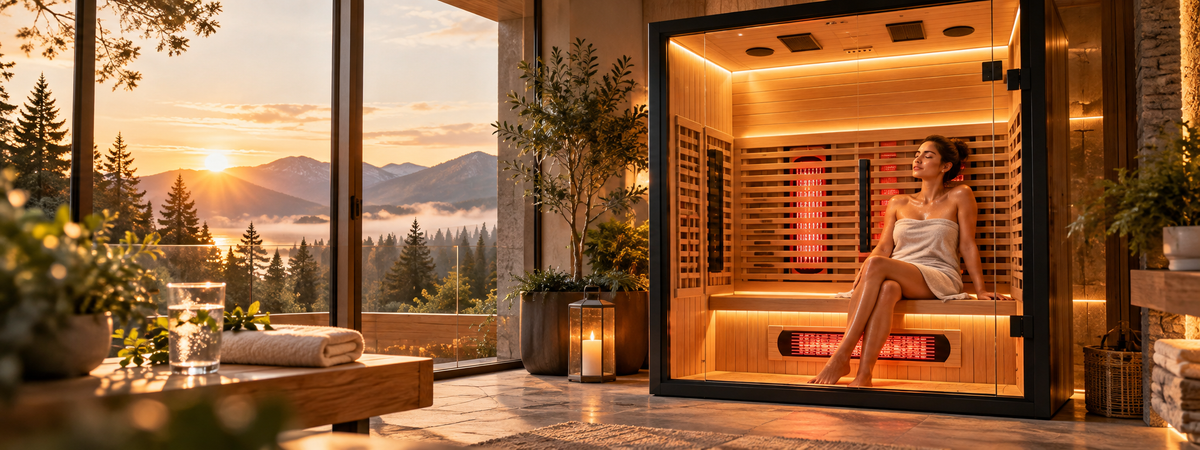
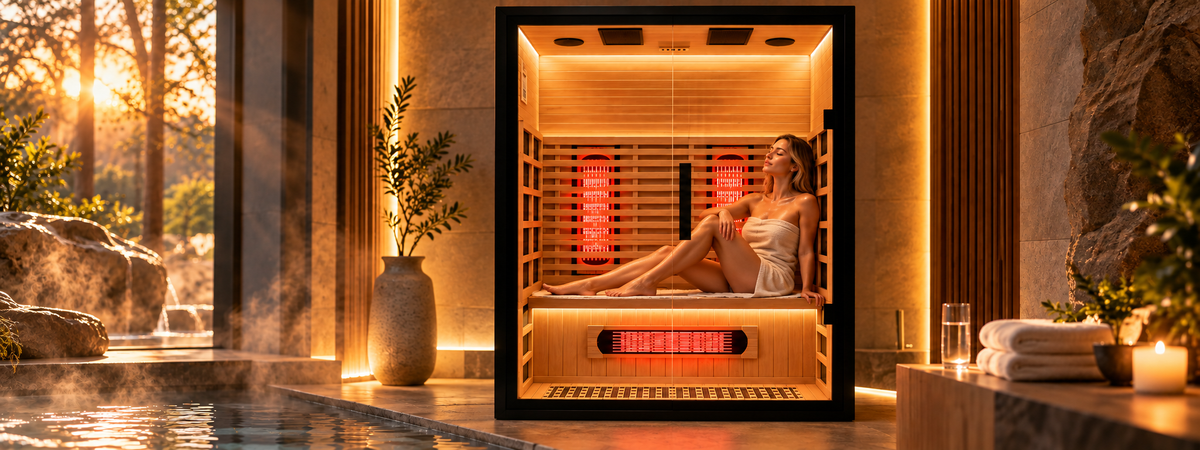
The YardSauna Forest 2-Person Infrared Sauna features a wide-format overhead red light and NIR array, providing dual-coverage therapy across both seating areas. This means you and a partner can both benefit from the red light exposure while you relax. For evening use, this gentle light therapy can serve as a calming, screen-free alternative to watching TV or scrolling on your phone—both of which can sabotage your sleep.
How Evening Sauna Use Can Improve Sleep Quality: The Full Mechanism
Let's break down the complete mechanism, step by step, so you can see exactly how an evening sauna session may lead to better sleep.
- Heat exposure raises your core temperature. When you sit in a sauna, your body absorbs infrared energy, which raises your internal temperature. This is a mild, controlled stressor that triggers a cascade of physiological responses.
- Your nervous system shifts toward relaxation. As your body heats up, your sympathetic nervous system (the 'fight or flight' branch) initially activates to help you cope with the heat. But as you settle into the session, your parasympathetic nervous system (the 'rest and digest' branch) begins to dominate. This shift is crucial for sleep, as a calm parasympathetic state is a prerequisite for falling asleep easily.
- Blood vessels dilate, improving circulation. Infrared heat causes vasodilation, which increases blood flow to your muscles and skin. This helps deliver oxygen and nutrients while flushing out metabolic waste. The result is a feeling of physical ease, especially if you carry tension in your shoulders, neck, or back.
- Muscles relax deeply. The combination of heat and improved circulation helps muscles let go of tightness. For people who sit at a desk all day or engage in physical labor, this can be profoundly soothing. Loose muscles send fewer stress signals to the brain, further supporting the relaxation response.
- Post-sauna cooling accelerates sleep onset. After you exit the sauna, your body begins to cool rapidly. This drop in core temperature mimics the natural evening temperature decline, signaling to your brain that it is time to sleep. Many people find that they feel sleepy within 30 minutes of finishing a sauna session.
- Red light exposure supports melatonin production. If your sauna includes red light therapy, you get an additional benefit. Unlike blue light, red light does not suppress melatonin. Some preliminary research suggests it may even help maintain healthy melatonin rhythms, though more studies are needed. Regardless, the absence of blue light during your sauna session is a plus.
- Mental unwinding occurs naturally. Sitting in a warm, quiet sauna gives you a rare opportunity to do nothing. Without your phone, without distractions, your mind can drift. This mental quietude is a form of mindfulness, and it can help break the cycle of rumination that often keeps people awake at night.
This full mechanism explains why so many sauna users report better sleep. It is not just one factor; it is the synergistic effect of heat, light, and mental stillness working together.
What the Research and User Reports Say
While large-scale clinical trials on infrared saunas and sleep are still limited, the existing evidence is promising. A 2019 survey of sauna users found that over 83% reported improved sleep after regular use. Many attribute this to the relaxation effect, but the physiological mechanisms we have discussed are likely at play as well. Some studies on traditional sauna bathing have shown improvements in sleep quality, particularly for people with chronic pain or stress-related insomnia. Infrared saunas, with their deeper heat penetration and lower temperatures, may offer similar benefits with greater comfort for evening use.
It is important to note that individual responses vary. Some people feel energized after a sauna, while others feel sleepy. The key is to experiment with timing and duration to find what works for you. For most people, an evening session of 15 to 20 minutes is a good starting point.
Consistency matters more than intensity. A short, regular evening sauna ritual is often more effective for sleep than an occasional long session. Listen to your body and adjust accordingly.
Common Mistakes to Avoid When Using an Infrared Sauna Before Bed
Even though an evening sauna can be incredibly beneficial, there are some pitfalls that can undermine your sleep. Here are the most common mistakes and how to avoid them.
- Staying in too long. While it might be tempting to extend your session, especially on a cold night, overdoing it can backfire. Excessive heat exposure can leave you feeling wired or dehydrated, making it harder to fall asleep. Stick to 15 to 20 minutes for evening use, especially when you are first starting out.
- Using the sauna too close to bedtime. Your body needs time to cool down after a sauna session. If you hop into bed immediately after stepping out, you may still be too warm to fall asleep comfortably. Aim to finish your sauna session at least 45 to 60 minutes before you plan to go to bed.
- Neglecting hydration. Saunas cause you to sweat, and even mild dehydration can disrupt sleep. Drink a glass of water before and after your session. Avoid alcohol, which can dehydrate you further and interfere with sleep quality.
- Bringing your phone into the sauna. The whole point of an evening sauna is to disconnect. Scrolling through emails or social media while you sit in the heat defeats the purpose and exposes you to sleep-disrupting blue light. Leave your phone outside.
- Expecting instant results. Like any wellness practice, the sleep benefits of infrared sauna use build over time. Do not be discouraged if you do not notice a dramatic difference after one session. Give it a few weeks of consistent use before evaluating.
- Ignoring your body's signals. If you feel dizzy, nauseous, or overly fatigued during a sauna session, get out immediately. Sauna use is not a competition. Your comfort and safety should always come first.
Practical Tips and a Pre-Sleep Sauna Checklist
To get the most out of your evening sauna ritual, follow these practical tips. They are designed to help you create a seamless, relaxing routine that primes your body for deep sleep.
- Set a consistent schedule. Try to use your sauna at the same time each evening, about an hour before bed. Consistency helps regulate your circadian rhythm.
- Keep the temperature moderate. For evening use, you do not need to crank the heat to the maximum. A comfortable, warm temperature that induces gentle sweating is ideal. The YardSauna Forest 2-Person Infrared Sauna's full-spectrum heating allows you to find the perfect balance.
- Dim the lights. If your sauna has LED lighting, set it to a soft, warm color. The YardSauna Forest features customizable linear LED ambient lighting, which can create a calming atmosphere.
- Play soft music or nature sounds. The built-in Bluetooth speakers in the YardSauna Forest let you stream gentle music, a guided meditation, or white noise. This can enhance the relaxation effect and drown out household noise.
- Practice deep breathing. While you sit in the sauna, focus on slow, deep breaths. Inhale for four counts, hold for four, exhale for six. This simple technique activates the parasympathetic nervous system and deepens relaxation.
- Cool down gradually. After your session, step out and let your body cool naturally. Avoid jumping into a cold shower, which can be stimulating. A lukewarm rinse is fine, but let your body temperature drop on its own for the best sleep-promoting effect.
- Prepare your bedroom for sleep. While you are cooling down, dim the lights in your bedroom, turn down the thermostat, and put away electronic devices. This way, by the time you get into bed, your environment is already sleep-friendly.
- Keep a sleep journal. Track how you feel after each sauna session and how well you sleep that night. Over time, you will be able to fine-tune your routine for maximum benefit.
Buyer Considerations: Choosing the Right Infrared Sauna for Sleep
If you are convinced that an evening infrared sauna could improve your sleep, the next step is choosing the right model. Here are the key factors to consider, with a focus on how they relate to sleep quality.
Heating Technology: Full-Spectrum vs. Far-Infrared Only
For sleep purposes, full-spectrum heating offers a distinct advantage. Far-infrared alone provides deep warmth, but full-spectrum adds near-infrared and mid-infrared wavelengths, which may support cellular health and muscle recovery. The YardSauna Forest 2-Person Infrared Sauna uses high-output quartz full-spectrum heaters combined with ultra-low EMF carbon panels, delivering rapid, deep-penetrating heat that is both effective and comfortable for evening use.
Red Light and NIR Therapy
Not all saunas include red light therapy, but it is a valuable feature for sleep. Red light does not suppress melatonin, and some research suggests it may support healthy circadian rhythms. The YardSauna Forest features a wide-format overhead red light and NIR array, providing dual-coverage therapy across both seating areas. This means both you and your partner can benefit simultaneously.
Size and Comfort
For a relaxing evening session, comfort is key. A cramped sauna can make it hard to fully unwind. The YardSauna Forest is a 2-person model with extra-wide bench seating, allowing two adults to sit side-by-side without feeling crowded. Its dimensions (48 inches wide, 42 inches deep, 75 inches high) make it suitable for many home spaces, including basements, garages, or dedicated wellness rooms.
Low EMF and Non-Toxic Materials
Since you will be using the sauna regularly, especially in the evening, you want to minimize exposure to electromagnetic fields (EMF) and off-gassing from materials. The YardSauna Forest is built from 100% non-toxic Canadian Hemlock and is UL, ETL, CE, and ISO 9001 certified. Its ultra-low EMF carbon panels are designed to keep EMF levels minimal, giving you peace of mind during your relaxation time.
Ease of Assembly
No one wants a complicated setup that delays their first sauna session. The YardSauna Forest uses tongue-and-groove modular panels that two adults can assemble in 45 to 60 minutes. This means you can start enjoying your evening sauna ritual within a day of delivery.
Real-World Examples: How Homeowners Use Evening Saunas for Better Sleep
To give you a clearer picture of how this works in practice, here are a few composite examples based on common scenarios reported by sauna users. These are not endorsements, but rather illustrations of how different people integrate evening sauna use into their lives.
The Busy Professional: Sarah, a marketing director, used to spend her evenings answering emails and then lying awake with a racing mind. She started using her 2-person infrared sauna for 20 minutes at 8:30 p.m., three nights a week. Within two weeks, she noticed she was falling asleep faster and waking up less during the night. She credits the sauna's full-spectrum heat and the forced digital detox.
The Active Couple: Mark and Lisa, both in their 50s, enjoy hiking and cycling on weekends. They often felt sore and restless at night. They now use their sauna together at 9 p.m. for 15 minutes, enjoying the red light therapy and Bluetooth speakers playing soft jazz. They report deeper sleep and less morning stiffness.
The Shift Worker: David, a nurse who works rotating shifts, struggles with irregular sleep. On his days off, he uses his sauna in the evening to help reset his body clock. He finds that the deep warmth and quiet time help him transition from work mode to rest mode, even when his schedule is erratic.
These examples highlight the versatility of an evening sauna ritual. Whether you are stressed, physically active, or dealing with an irregular schedule, the combination of heat, light, and stillness can help.
How to Build a Sustainable Evening Sauna Routine
Creating a lasting habit requires more than just good intentions. Here is a step-by-step process to integrate evening sauna use into your life in a way that sticks.
- Start small. Commit to just two or three sauna sessions per week for the first two weeks. This prevents burnout and allows your body to adjust.
- Choose a consistent time. Pick a time that works with your schedule, ideally 45 to 60 minutes before your target bedtime. Set a reminder on your phone if needed.
- Prepare your sauna in advance. If your sauna takes time to heat up, turn it on before dinner so it is ready when you are. The YardSauna Forest's rapid-heating quartz elements mean you will not have to wait long.
- Create a pre-sauna ritual. Maybe you change into a robe, light a candle, or do a few gentle stretches. This signals to your brain that it is time to unwind.
- During the sauna, disconnect fully. No phone, no work. Use the time to breathe deeply, listen to calming music, or simply sit in silence.
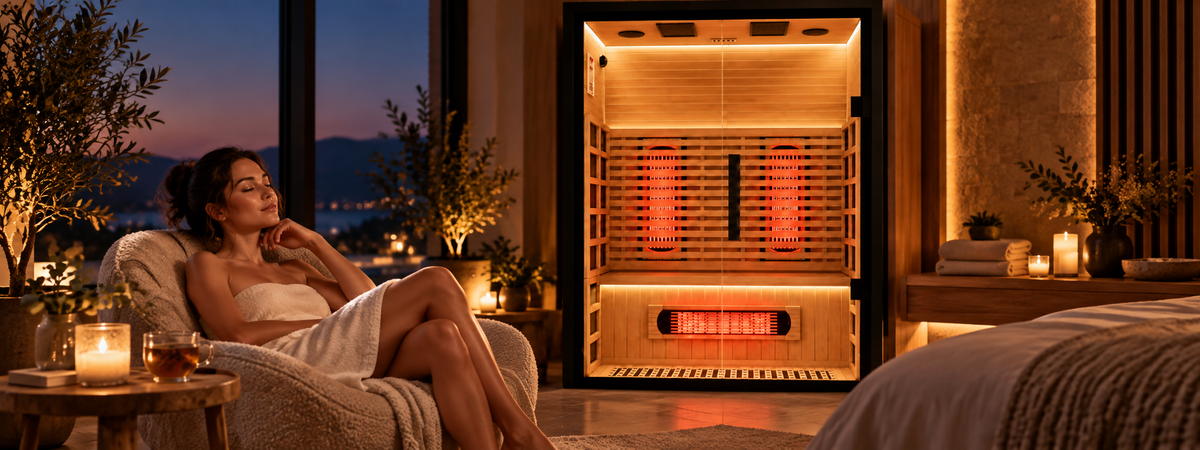
- After the sauna, cool down gradually. Sit in a comfortable chair, sip water, and let your body temperature drop naturally. Avoid stimulating activities.
- Transition to bed. Once you feel cool and sleepy, head to bed. Keep your bedroom dark, cool, and quiet.
- Evaluate and adjust. After a few weeks, assess how you feel. If you are sleeping better, keep it up. If not, tweak the timing, duration, or temperature.
Pros and Cons of Evening Infrared Sauna Use for Sleep
Like any wellness practice, evening sauna use has its advantages and potential drawbacks. Here is an honest look at both.
Pros:
- Promotes deep relaxation and mental unwinding
- Accelerates the natural evening drop in core temperature
- May improve sleep onset and sleep quality for many users
- Provides a screen-free, calming activity before bed
- Can reduce muscle tension and physical discomfort that interferes with sleep
- Red light therapy may support healthy melatonin rhythms
Cons:
- Requires an initial investment in a sauna (though the long-term benefits may outweigh the cost)
- Needs space in your home
- Some people may feel energized rather than sleepy after a session, especially if they use it too late or for too long
- Not suitable for everyone, particularly those with certain medical conditions (always consult a healthcare provider)
- Requires consistent use to see lasting benefits
Overall, for most people, the pros far outweigh the cons, especially if you follow the guidelines for timing and duration.
Video Walkthrough: See How an Evening Sauna Session Can Help You Unwind
In this on-camera guide, a sauna expert explains why using an infrared sauna before bedtime can be a powerful tool for better sleep. The video covers the science behind how heat exposure downregulates the nervous system, shifting your body from a stressed, sympathetic state to a calm, parasympathetic state—exactly what you need for restful sleep. The presenter also shares a practical pro tip: avoid excessive infrared sessions before bed, and stick to shorter times of 15 to 20 minutes to avoid overstimulation. This gentle approach is key to reaping the sleep benefits without feeling wired.
The walkthrough emphasizes that if you are lying awake with a racing mind, it is often a sign of an overactive nervous system. A short sauna session can help reset that state, making it easier to drift off. The advice is simple, actionable, and grounded in early research on infrared sauna use and sleep.
Why the YardSauna Forest 2-Person Infrared Sauna Is a Smart Choice for Evening Relaxation
If you are ready to bring this calming ritual into your home, the YardSauna Forest 2-Person Infrared Sauna is an excellent option to consider. It combines high-output full-spectrum heating with dual-coverage red light and NIR therapy, giving you the complete toolkit for evening relaxation. The tourmaline-enriched floor foot heater adds a soothing warmth from feet to core, which many users find especially comforting before bed. Its extra-wide bench seats two adults side-by-side, so you and a partner can unwind together. Built from 100% non-toxic Canadian Hemlock and certified by UL, ETL, CE, and ISO 9001, it is designed with safety and quality in mind. The digital touch console, customizable LED lighting, and Bluetooth speakers let you create the perfect ambiance for a pre-sleep ritual. Whether you are new to saunas or looking to upgrade, this model offers a balanced blend of performance, comfort, and peace of mind.
Remember, the information in this article is for informational purposes only. It is not medical advice, and you should always consult with a qualified healthcare provider before starting any new wellness routine, especially if you have underlying health conditions.
Frequently Asked Questions
1. How long before bed should I use an infrared sauna?
Most experts recommend finishing your sauna session at least 45 to 60 minutes before you plan to go to sleep. This allows your body temperature to drop back to its natural evening low, which is a key signal for sleep onset. If you use the sauna too close to bedtime, you may still be too warm to fall asleep comfortably.
2. What is the ideal duration for an evening infrared sauna session?
For sleep purposes, shorter sessions of 15 to 20 minutes are generally best. Longer sessions can overstimulate your nervous system and leave you feeling wired. Start with 15 minutes and gradually increase if you tolerate it well, but avoid exceeding 30 minutes in the evening.
3. Can red light therapy in a sauna really help with sleep?
Red light therapy does not suppress melatonin production like blue light from screens does. Some preliminary research suggests it may support healthy circadian rhythms, though more studies are needed. Many users report that the gentle red glow helps them feel calm and ready for bed.
4. Is it safe to use an infrared sauna every night?
For most healthy adults, using an infrared sauna every night is safe, provided you stay hydrated and listen to your body. However, if you are new to saunas, start with 2 to 3 sessions per week and gradually increase frequency. Always consult a healthcare provider if you have any medical conditions.
5. Will an infrared sauna make me too hot to sleep?
If you allow enough time for your body to cool down after the session, you should not feel too hot at bedtime. The post-sauna cooling effect actually helps lower your core temperature, which promotes sleep. Avoid using the sauna immediately before bed, and take a lukewarm shower if needed to aid cooling.
6. Can I use the sauna with my partner before bed?
Yes, a 2-person sauna like the YardSauna Forest is designed for two adults to sit side-by-side comfortably. Sharing the experience can be a nice way to unwind together, and the dual-coverage red light therapy ensures both of you benefit equally.
7. What temperature should I set my infrared sauna to for sleep?
Infrared saunas operate at lower temperatures than traditional saunas, typically between 110°F and 140°F. For evening use, aim for a comfortable temperature that induces gentle sweating without feeling overwhelming. Many users find 120°F to 130°F to be ideal, but you can adjust based on your preference.
8. Do I need to shower after an evening sauna session?
It is not strictly necessary, but a quick lukewarm rinse can help remove sweat and aid the cooling process. Avoid cold showers, as they can be stimulating and counteract the relaxation effect. Pat yourself dry and let your body cool naturally.
9. Can an infrared sauna help with stress-related insomnia?
Many users report that regular sauna use helps reduce stress and improve sleep quality. The heat and quiet time activate the parasympathetic nervous system, which counteracts the 'fight or flight' response that often underlies insomnia. While it is not a cure, it can be a valuable part of a stress-management routine.
10. Are there any people who should avoid using an infrared sauna before bed?
Pregnant women, people with certain cardiovascular conditions, and those who are prone to dizziness or fainting should consult a doctor before using a sauna. Additionally, if you find that sauna use makes you feel energized rather than sleepy, you may want to use it earlier in the day.
11. How does the YardSauna Forest's full-spectrum heating differ from far-infrared only?
Full-spectrum heating includes near-infrared, mid-infrared, and far-infrared wavelengths, whereas far-infrared only provides the deepest penetrating heat. Full-spectrum offers a more comprehensive warming effect, potentially supporting cellular health, muscle relaxation, and overall comfort—all of which can contribute to better sleep.
12. Can I listen to music or a sleep meditation in the sauna?
Absolutely. The YardSauna Forest features built-in Bluetooth speakers, so you can stream calming music, nature sounds, or a guided sleep meditation during your session. This can enhance the relaxation effect and help quiet a busy mind.
For more on low-EMF home infrared saunas and the models we offer, visit yardsauna.com.
This article is for informational purposes only and does not constitute medical advice. Always consult a qualified healthcare provider before starting any new wellness routine, especially if you have pre-existing conditions or are pregnant.